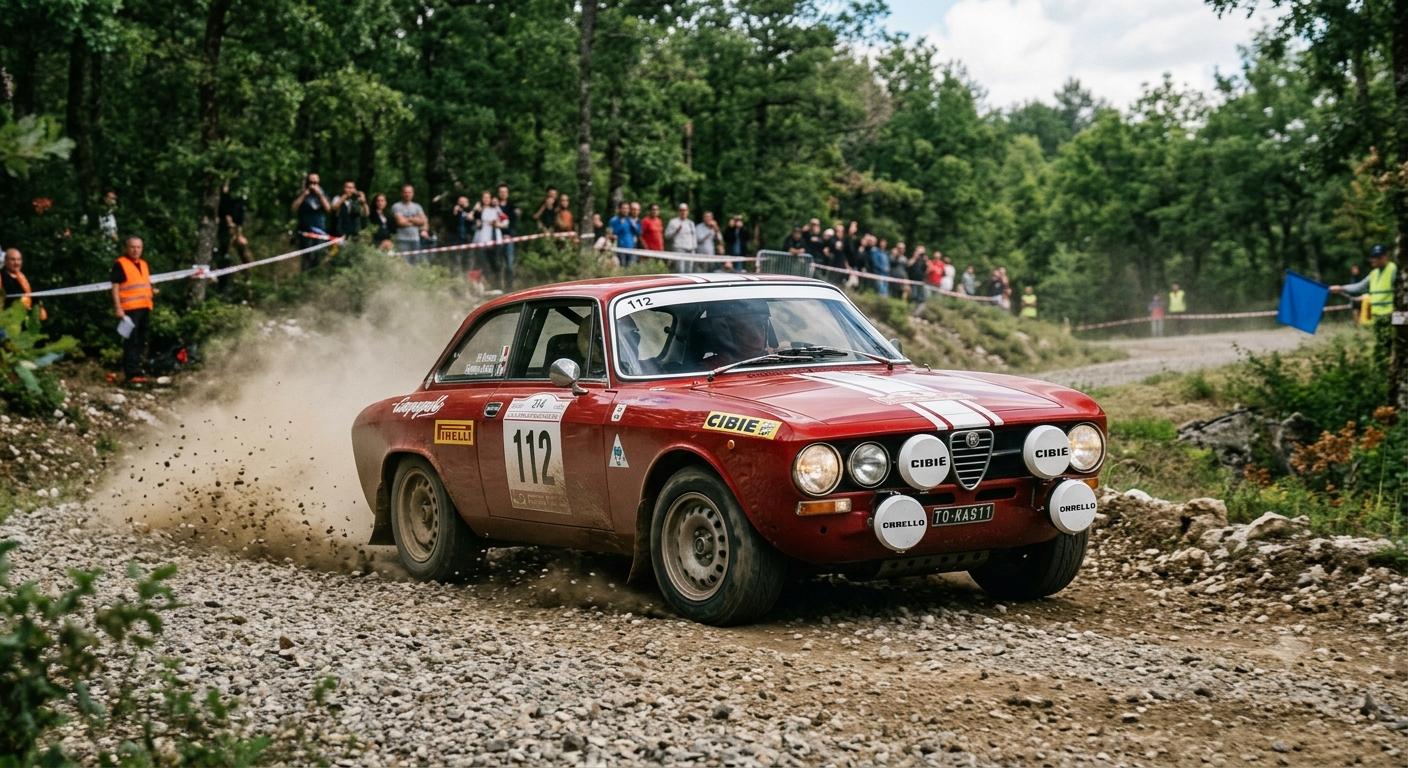
Electric power steering for rally and historic competition
Rallying and Competition: Why More and More Drivers are Switching to Electric Power Steering
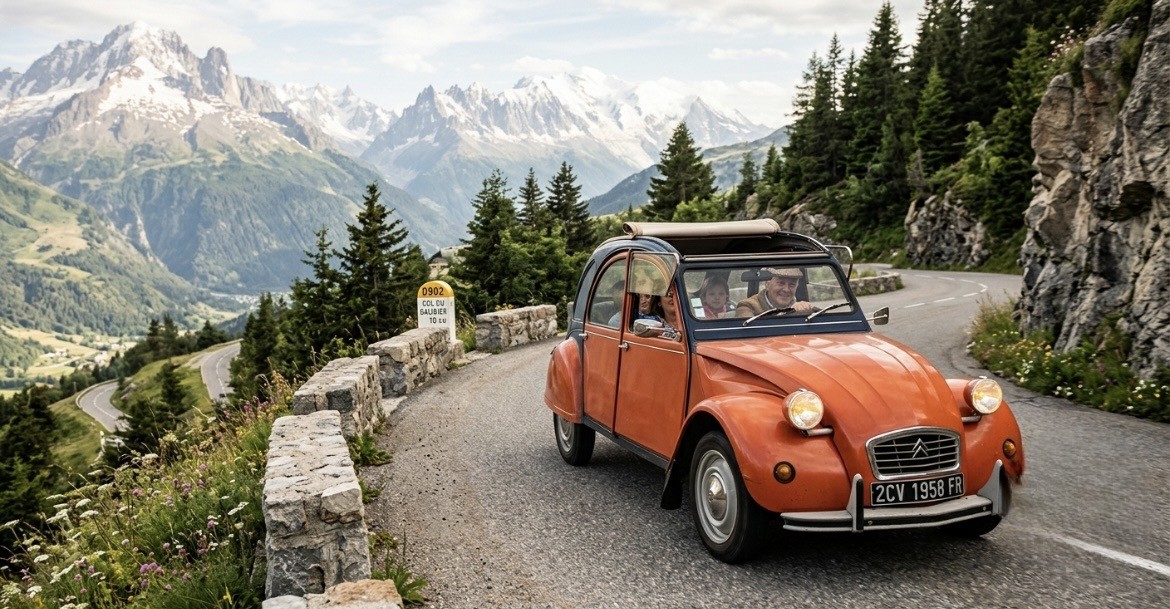
On a VHC rally course, every move counts. A poorly negotiated hairpin turn, a trajectory correction a fraction of a second too late, and it's off the road. In recent years, a technical detail has discreetly changed the game in the paddocks: more and more drivers are equipping their historic cars with electric power steering. Here's why.
The Problem Every Vintage Driver Knows
A historic rally car was never originally designed for competition as we practice it today. The events are faster, the liaisons longer, the organizers more demanding. As a result, a driver can spend 6, 8, sometimes 10 hours behind the wheel in a single day of competition. Without assistance, fatigue in the arms and shoulders sets in quickly, and fatigue in competition directly translates to a loss of precision.
This is where electric power steering concretely changes the driving experience.
A Gain in Precision, Not Just Comfort
Electric assistance is often associated with comfort. In competition, it is primarily a performance tool. Lighter steering in slow maneuvers (hairpins, refueling, technical zones) that still provides feedback at high speeds allows the driver to:
- Correct more quickly coming out of turns without excessive effort on the arms
- Conserve energy on long events, thus staying focused for longer
- Refine the feel through adjustable hardness settings based on the type of driving, asphalt, dirt, or fast special stages
Unlike a traditional hydraulic power steering, a well-calibrated electric kit does not "dull" the sensations; it simply makes them more enjoyable over time.
The Point Organizers Care About: Homologation
In historic rallying, any technical addition must comply with the regulations. This is often the first psychological barrier for drivers: "will I get rejected at the technical checks?"
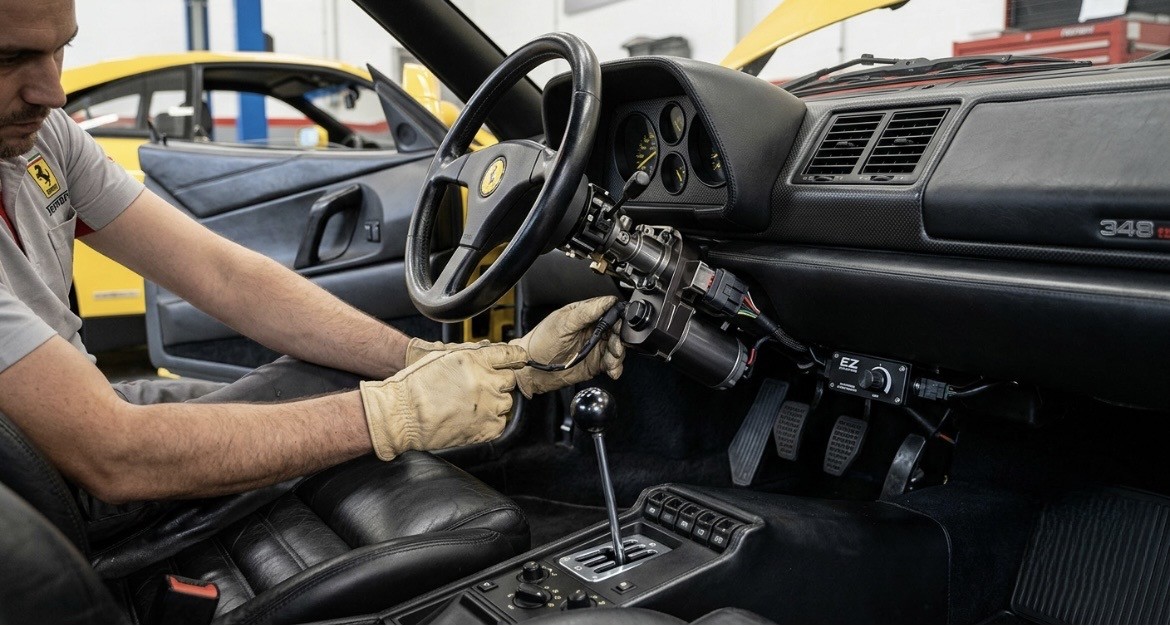
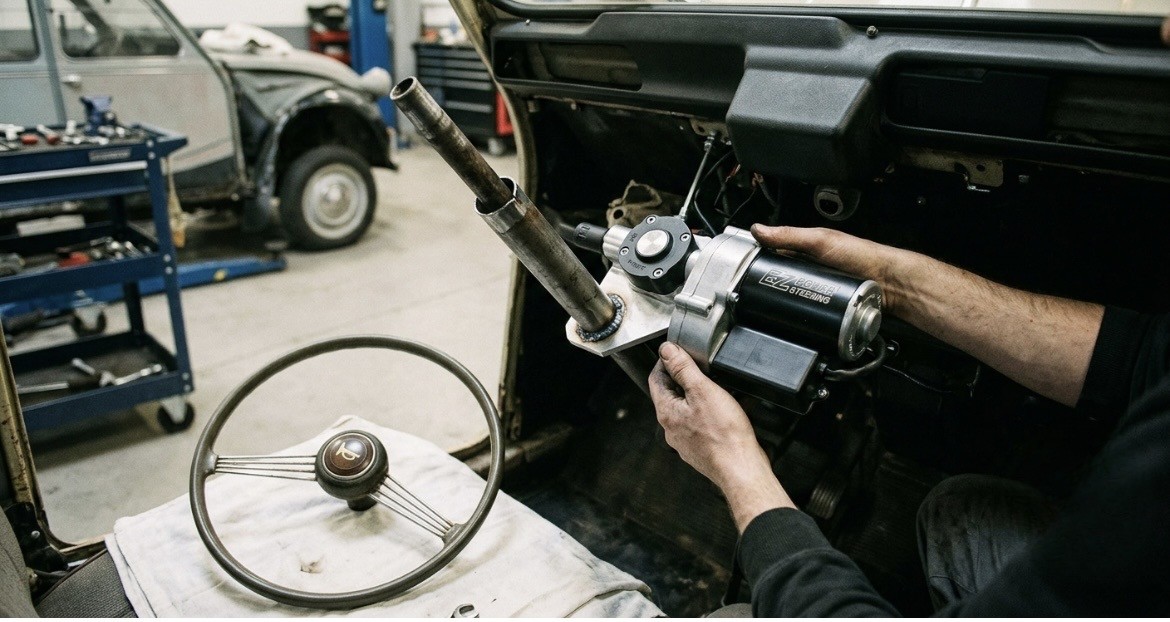
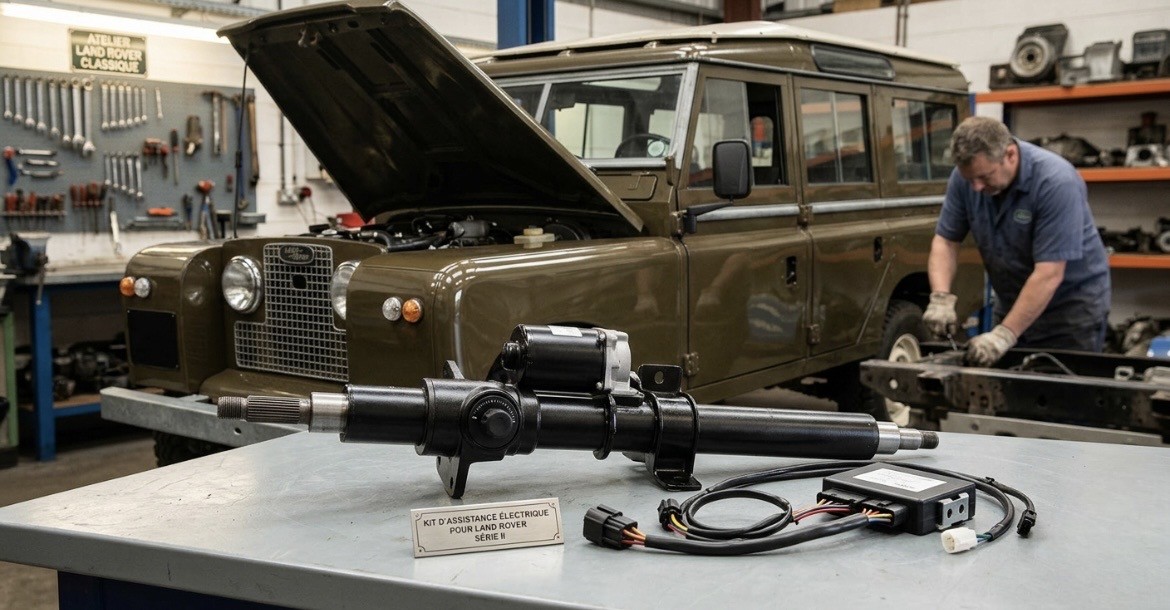
Good news: electric power steering kits like EZ Power Steering have European homologation and TUV quality certification, and are allowed in rallying, historic rallying, and drift competitions. This is a point to check systematically before installation, but with this type of kit, regulatory compliance is not up for debate.
And What If There's an Electrical Failure in the Middle of a Stage?
This is the number one question for competition drivers, and it's legitimate: on a timed event, no breakdown is acceptable, especially if it immobilizes the car.
The technical answer is simple: the system is designed to automatically disengage in case of electrical failure. The steering then becomes unassisted and heavier, but fully functional. The driver can finish the stage and reach the assistance without being disqualified. No traditional hydraulic steering offers this level of passive safety.
A Real Weight and Mechanical Reliability Gain
In competition, every kilogram and every point of reliability matters. Traditional hydraulic power steering involves a pump, hoses, a liquid reservoir, and an additional belt on the engine, all of which can leak, break, or consume engine power (usually 3 to 4 horsepower during operation).
An electric kit is installed entirely in the cockpit, under the steering wheel, without touching the engine compartment or the suspension. In practice:
- No possibility of liquid leakage during an event
- No loss of engine power
- Very low electrical consumption (5 to 7 amps during full maneuvers)
- No visible modification to the engine compartment necessary for the vehicle's historical compliance
What It Truly Changes Over a Rally Season
The feedback from drivers who compete in historic events all converge on the same observations: less fatigue at the end of events, more consistency in driving during long liaisons, and an ability to push the limits of late braking confidently, without fearing "losing control" in the effort.
This is not a comfort gadget reserved for the road. For many historic plateaus, it is becoming a silent standard.